




Explore the 2026 federal budget tax changes, including small business tax changes and capital gains tax changes, plus what they mean for accounting firms.
Compare accountant salaries in Australia for 2026, including highest-paying accounting jobs, role salary ranges & what impacts your next move.

Explore the auditor career path in Australia, from Graduate Auditor to Audit Partner. Learn audit roles, qualifications, progression, and FAQs.
Is there still an accountant shortage in Australia? Explore the future of accounting in Australia, the roles in highest demand, salary trends, and what it means for candidates and employers.

Explore the best accounting and business support certifications in Australia, including CA, CPA, SMSF, payroll, Xero, BAS, and admin courses.
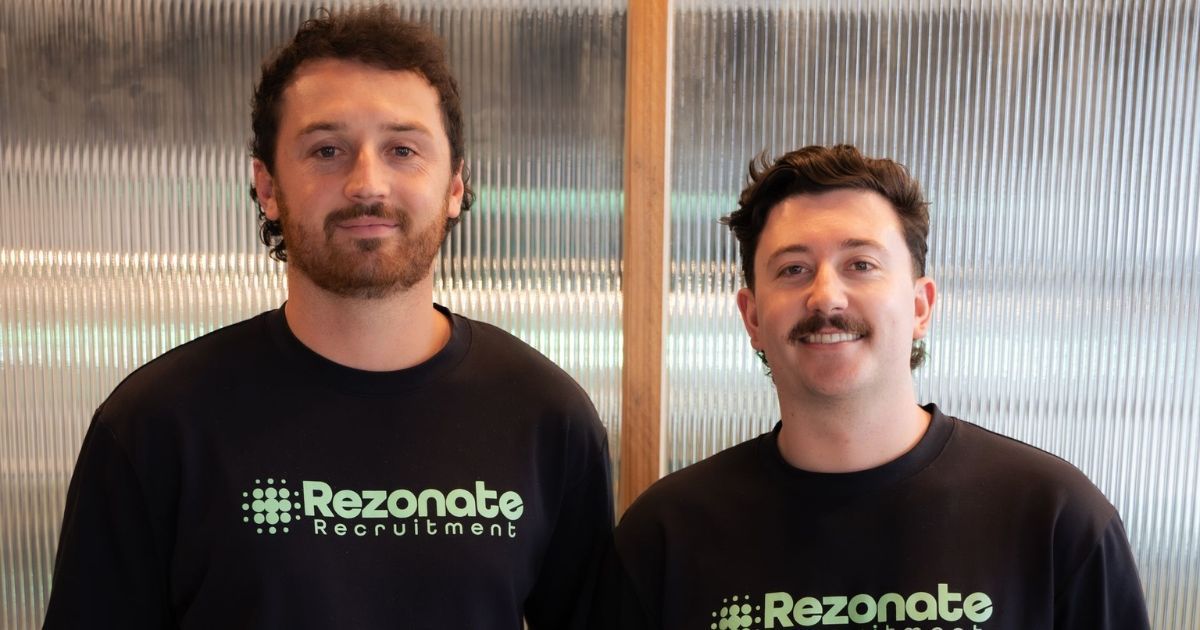
Discover Rezonate Recruitment’s people-first approach to accounting and business support recruitment for candidates and firms across Australia.

When accounting firms are hiring, it’s easy to assume the decision comes down to technical skills. Qualifications, experience, and technical ability are all important, and they’re often what gets a candidate through the door. But they’re rarely what makes the final decision. From our experience working with firms across Australia, hiring managers are looking for something more well-rounded. 1. It’s Not Just Technical Skills Communication is one of the biggest factors. Accounting is a client-facing profession, and firms need people who can explain concepts clearly, build relationships, and represent the business well. A technically strong candidate who struggles to communicate effectively will often be overlooked for someone who is slightly less experienced but more confident with clients. Another key factor is how candidates approach their work. Firms value people who take ownership, show initiative, and think beyond the task in front of them. This doesn’t mean having all the answers, but it does mean being proactive, asking the right questions, and showing a genuine interest in improving. Consistency also plays a role. Hiring managers look for steady progression in a candidate’s career. They want to see growth, increasing responsibility, and a clear trajectory over time. It’s not about having a perfect CV, but rather showing that you’ve developed your skills and taken on new challenges as you’ve progressed. 2. Attitude and Cultural Fit Matter More Than You Think Attitude is another area that often gets underestimated. Candidates who are open to learning, adaptable, and positive in their approach tend to stand out quickly. These are the people firms see as long-term hires, individuals who can grow into leadership roles and contribute to the wider team culture. Cultural fit is just as important. Every firm operates differently, and hiring managers are looking for people who align with their way of working. This includes everything from communication style and team dynamics through to values and expectations. A candidate might look perfect on paper, but if they don’t align with the firm’s culture, it can create challenges down the line. 3. How You Present Yourself Makes the Difference For candidates, this means it’s important to think beyond your technical skillset when preparing for opportunities. How you present yourself, how you communicate your experience, and how you demonstrate your value all play a significant role in how you’re perceived. Being able to clearly explain your impact, not just your responsibilities, can make a strong difference. It’s also worth remembering that hiring is a two-way process. Just as firms are assessing you, you should be assessing them. The goal isn’t just to secure an offer, it’s to find a role where you can grow, feel supported, and build a long-term career. If you’re unsure how you come across in the market, or what firms are really prioritising right now, getting an external perspective can be incredibly valuable. We offer free consultations, no strings attached, if you want to get honest advice from a team that helps firms hire every day. Just reach out to us , we're always happy to help. Often, a few small adjustments in how you position yourself can significantly improve your opportunities.